Научное издание
Независимая Научно-Исследовательская Инициатива
"Онкопрофилактика" (НИИ.орг)
Павел Михайлович Тараканов,
г. Владивосток
Витамин Д:
верхняя безопасная дозировка
и NOAEL

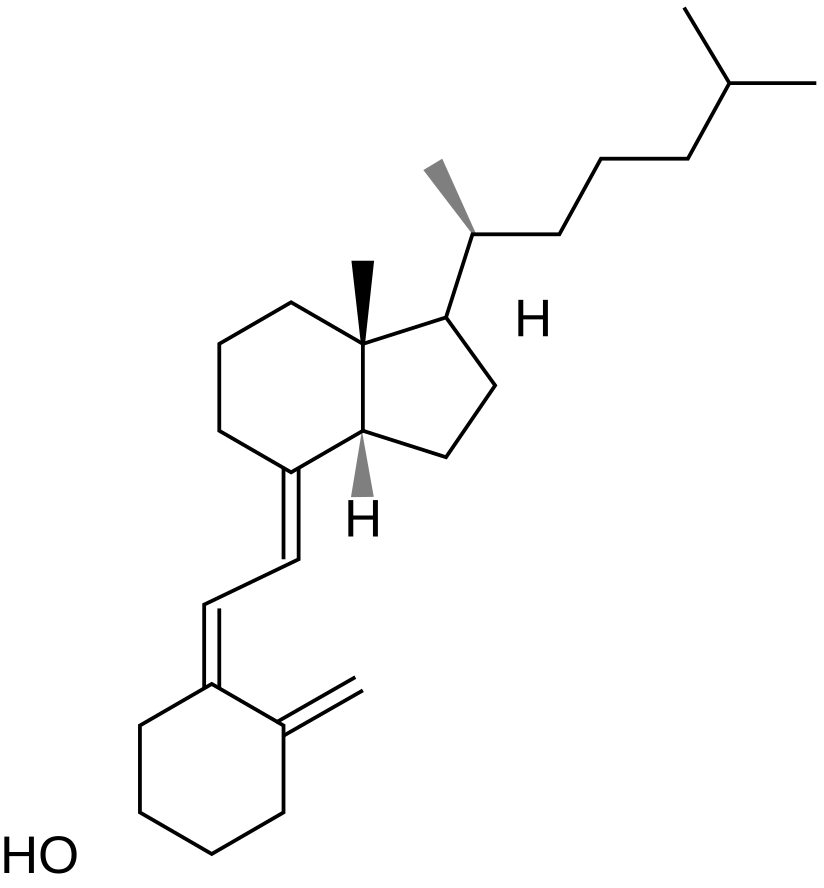
Печень трески - природный источник Холекальциферола. Фото: Science Data
В работе дальневосточного исследователя способов предотвращения рака, Павла Михайловича Тараканова, нутрициолога-эксперта, на основании большого объема лабораторных и клинических испытаний - устанавливается хронобиологически-оправданный верхний репродуктивно-безопасный уровень внепищевого потребления холекальциферола (витамина D3), как важного средства укрепления костной ткани, снятия неврологических болей, профилактики диабета 2 типа, зимних ОРВИ, сердечно-сосудистых заболеваний, ожирения, и общего поддержания здоровья в условиях недостаточности ультрафиолета.
Павел Михайлович Тараканов - Витамин Д: верхняя безопасная дозировка и NOAEL. Витамин-Д.рф, 2026
pdf: Витамин-Д.рф/Tarakanov.2026.10.VitaminD.Fert.pdf
Ключевые понятия: Витамин D3, холекальциферол, безопасность, UL, токсикология, питание, NOAEL, нутрициология, кальцитриол, 1,25(OH)₂D₃, кальцидиол, 25(OH)D, рецептор витамина D, VDR, репродукция.
Понимание своей природы -
источник здоровья
Важно понимать природу человека. Выработка витамина Д - напрямую завязана на интенсивность солнечного света. Науке не известны другие индукторы его выработки.
На заре развития человеческого организма - витамин Д был регулятором функций организма в зависимости от времени года (сезона). Летом - выше титр патогенов в окружающей среде, должен быть активирован иммунитет. Природа дает больше питания - строительство тканей, но не уменьшающих летнюю подвижность (костная, а не запасательно-жировая). Зимой - холодно и собиратели получали меньше пищи, нужно наращивать запасательно-утепляющий жировой слой (инсулинорезистентность, акцент на запасание). Зимой - повышается уровень провоспалительных цитокинов и активируется адаптивная система иммунитета (борьба с внутренними, хроническими инфекциями), летом - врожденная (от атак валового объема высокого титра патогенов, размножившихся летом во внешней среде, в пище и воде)[26].
Однако сегодня в условиях города - объем солнечного света очень мал (пребывание в помещениях, плотная многослойная одежда). Внутренние часы сбились (хронобиология). Переход в постоянный режим "глубокой зимы". Склонность к ожирению, диабету 2-го типа (вот она, инсулинорезистентность), зимняя ОРВИ-заболеваемость (пониженный уровень врожденного иммунитета), остеомаляция (восстановление костной ткани - остановлено).
На основании такой роли витамина D - был даже разработан вспомогательный способ борьбы с острыми инфекциями: кратковременное резкое повышение уровня витамина D для активации врожденного иммунитета. Он может быть полезен при сезонных ОРВИ вследствие доступности и дешевизны [27].
Введение в проблему
Витамин D3 - одно из необходимых биологически активных веществ, по которому у большинства сегодня имеется дефицит. Так, даже в финансово благополучных и достаточно обеспеченных ультрафиолетом Южной Корее и Японии - D3-недостаточность обнаруживается у 90% населения (Пигарова 2015). Повышенные уровни приёма D3 - помогают предотвратить хрупкость костной ткани и переломы, снять неврологические боли, повысить общий уровень здоровья. Восполнить недостающий D3-обеспеченность можно с помощью первичного метаболита этого витамина - холекальциферола.
Но какова верхняя безопасная дозировка? Экспертной группой IOM в качестве верхнего безопасного предела - предложена дозировка в 4000 МЕ в день. Высшие стандарты безопасности включают 3 проверки: острая и хроническая токсичность, онкопромоутерность и репродуктивная токсичность. Отсутствие хронической токсичности до 10,000 МЕ - общеизвестно (согласно Endocrine Society). Как мы уже рассмотрели ранее [29] - подтвердилась и онкопромоутерная [30] безопасность. Теперь пришло время проверить и третью часть - репродуктивную токсичность, чтобы постоянное употребление 1000-4000 МЕ D3 могло быть признано оправданным не только имеющим остеомаляцию или неврологические боли, но и всем.
Метаболизм витамина D3
Холекальциферол (хранение) -> Кальцидиол (транспорт) -> Кальцитриол (итоговое действие)
- Холекальциферол (D₃) - основная форма поступления (перорально или от солнца) и хранения. Приём перорально в МЕ. Депонирование в жировой ткани.
- Кальцидиол (25(OH)D) - основная форма транспорта, циркулирует в крови. Измеряется лабораторно для оценки D3-обеспеченности.
- Кальцитриол (1,25(OH)₂D) - итоговый активный метаболит.
Когда D3 - недостаточно?
Концентрация в крови меньше 20 нг мл - общепризнанно недостаточна:
“Definitions of vitamin D deficiency, insufficiency, and severe deficiency are not uniform across studies or clinical guidelines. Accordingly, this review retains study-specific 25(OH)D cutoffs and states them when relevant rather than imposing a single universal threshold. For orientation, some infertility studies use < 20 ng/mL (50 nmol/L) for deficiency, whereas the NIH/NASEM framework considers < 12 ng/mL (< 30 nmol/L) as indicating risk of deficiency and 12–20 ng/mL (30–50 nmol/L) as potentially inadequate; the 2024 Endocrine Society guideline does not endorse universal 25OHD thresholds for generally healthy adults.” [02, p.8]
Недостаточность - подавляет репродуктивную функцию:
“Available experimental and human data suggest that the vitamin D receptor (VDR) and vitamin D-metabolizing enzymes are present in testicular cells, the epididymis, accessory sex glands, and mature spermatozoa, supporting the possibility of both systemic and local actions.” [02, p.1]
Это ярко видно при возобновлении нормального D3-потребления после длительного дефицита:
{3,000 IU vitamin D (single intramuscular injection) on day 120, followed by normal diet for 30 days in vitamin D-deficient rats}
“Vitamin D-deficient rats which received an intramuscular injection of a single dose (3,000 IU) of vitamin D on the 120th day showed a significant increase in body weight (110.20 ± 3.11 to 165.20 ± 2.80 g), testicular sperm count (49.20 ± 5.20 to 82.30 ± 2.80 millions), total testicular GTP activity (88.50 ± 7.11 to 188.2 ± 5.50 mU). Leydig cell count (10.50 ± 0.11 to 16.00 ± 0.11/field).”
“There was a significant improvement (p < 0.001) after 1 month in the body weight as well as testicular and epididymal sperm count in rats receiving intramuscular bolus administration of vitamin D at a dose of 3,000 IU followed by normal diet and water ad libitum.”
“The depressed testicular GTP activity (88.5 ± 7.1 IU) also improved (188.2 ± 3.5 IU) significantly (p < 0.001) after 1 month of this single dose of vitamin D.” “The number of Leydig cells per field also increased (p < 0.001) from 10 to 16 at this dose in the present study.”
“Supplementation of vitamin D in small doses corrected the disturbances in the spermatogenesis in vitamin D-deficient rats seen at the age of 120 days, also noted in an earlier study.” “The reversed GTP activity which is a marker of Sertoli cell function and return of the number of Leydig cells towards normal (table 1) may be responsible for the increased spermatogenesis seen in this study at lower doses of vitamin D administration.” [05, p.3]
В случае недостатка - может подавляться сразу многое (плейотропность Д3 - проявляется и здесь):
“Ligand-activated VDR signaling may also contribute to antioxidant defense, mitochondrial stability, inflammatory control, steroidogenesis, germ-cell survival, and epigenetic regulation, although several of these pathways still require direct validation in human testicular tissue and spermatozoa.” [02, p.1]
Наиболее выраженное влияние - на такой важный параметр, как подвижность семенного материала:
“Mechanistically, vitamin D may regulate sperm capacitation and progressive motility through calcium-dependent non-genomic pathways.” [02, p.1]
“Clinically, low circulating 25-hydroxyvitamin D has been most consistently associated with impaired sperm motility, whereas associations with sperm concentration, total sperm count, reproductive hormones, and sperm DNA fragmentation index are less consistent.” [02, p.1]
Хотя в целом - влияние D3 на репродуктивную функцию - не столь выражено как у селена или витамина Е:
“Interventional studies suggest that vitamin D supplementation may improve selected semen parameters in deficient men, but current trials do not support broad endocrine or fertility benefits in unselected populations.” [02, p.1]
70,000 МЕ в день: тяжёлый Вред
Переизбыток витамина D3 сверх некоторой меры начинает вредить:
“Importantly, emerging preclinical data indicate that excessive vitamin D exposure may impair spermatogenesis, highlighting a potential biphasic relationship in which both deficiency and excess are unfavorable.” [02, p.1]
“Thus, vitamin D should be viewed as a homeostatic modulator rather than a stand-alone treatment for male infertility.” [02, p.1]
Но какова эта мера? Где эта грань перехода от пользы ко вреду?
70,000 МЕ в день (вводились внутрибрюшинно) - явная системная токсичность.
Угнетение сперматогенеза с дегенерацией репродуктивных органов:
“High-dose vitamin D (VD) treatment significantly reduced sperm count and motility (p < 0.01), alongside a marked decline in testosterone levels (p < 0.01).” [01, p.1]
“Immunohistochemical analysis revealed elevated CDKN1B expression in VD-treated spermatocytes, indicative of cell cycle arrest during spermatogenesis.” [01, p.1]
“The testis weight in the VD group showed a significant decrease (0.11±0.01 g vs. 0.13±0.01 g, p&0.05) and a significant decrease in testis length compared to the control group (0.43±0.06 cm vs. 0.67±0.05 cm, p&0.05).” [01, p.4]
“The observed significant reduction in testis length (0.43±0.06 cm vs. 0.67±0.05 cm, p<0.05) and weight (0.11±0.01 g vs. 0.13±0.01 g, p<0.05) in the VD-treated group indicates that hypervitaminosis D may induce testicular atrophy, potentially via oxidative stress or hormonal disruption.” [01, p.8]
“Supraphysiological VD doses in rats reduced testicular weight, which was associated with increased oxidative markers and decreased testosterone levels.” [01, p.9]
“The sperm count and motility were significantly decreased in the VD group compared to the control group (2.0±0.09 vs. 3.8±0.57×10⁶/ml, p&0.05) and (33.8±1.62% vs. 55.47±4.75%, p&0.01) respectively.” [01, p.4]
Путь к полному бесплодию:
“Notably, oligospermia was found in the testicular lumen of the seminiferous tubules (Fig. 1, panel F). This indicates that the VD treatment had more detrimental effects on the testis structure, especially on the proliferation of germ cells (spermatogonia, primary spermatocytes, and secondary spermatocytes), which are responsible for spermatid and sperm formation by mitotic and meiotic divisions compared to a control group.” [01, p.6]
“VD-induced testicular atrophy to dysregulated calcium signaling disrupts Sertoli cell function and spermatogenic efficiency.” [01, p.9]
Это происходит через остановку клеточного цикла (переэкспресия гена-блокировщика клеточного деления CDKN1B):
“In contrast, the VD-treated group exhibited a strong upregulation of CDKN1B expression in spermatogonia, primary and secondary spermatocytes, and spermatids.” [01, p.7]
“The VD-treated group showed a remarkable increment in the percentage of CDKN1B⁺ cells' optical density per mm² of testicular tissue compared to the control group.” [01, p.7]
“The findings correspond with research connecting elevated vitamin D levels to germ cell apoptosis and compromised steroidogenesis.” [01, p.8-9]
“Histological and immunohistochemical analyses revealed that abnormal CDKN1B expression was a key factor contributing to infertility, as it interfered with spermatogenesis.” [01, p.9]
Перенагрузка печени и почек:
“In contrast, our findings revealed that in the VD group, liver functions (AST and ALT enzymes) and kidney functions (urea and creatinine) were significantly increased compared to the control group (104.37±1.96 vs. 62.1±1.37 and 79.53±0.67 vs. 38.47±0.64 respectively, P<0.01).” [01, p.5]
И их повреждение:
“Hepatorenal toxicity was evident, with significantly elevated liver enzymes (ALT & AST) and kidney biomarkers (Creatinine & Urea) (p & 0.05), with a significant reduction in testis length and weight (p < 0.05).” [01, p.1]
Тогда как витамин С высоких доз - был не только совершенно безопасен, но и улучшал здоровье:
“In contrast, vitamin C (VC) treatment showed non-significant improvements in sperm motility and testosterone levels, with no adverse hepatorenal effects.” [01, p.1]
“In contrast, supplementation of VD led to a highly significant decrease in total testosterone levels compared to the control group (1.23±0.13 vs. 4.33±0.13 ng/ml, p&0.01).” [01, p.4-5]
Как итог - системная токсичность:
“High doses of vitamin D resulted in decreased sperm motility, lower testosterone levels, and disruptions in liver and kidney function.” [01, p.9]
Вывод: бесконтрольный прием высоких доз D3 - наносит тяжелый вред:
“These results highlight the dangers associated with excessive vitamin D intake, especially in high-risk populations.” [01, p.9]
“Clinicians should carefully monitor vitamin D levels in patients on CYP-inducing medications to avoid toxicity and reproductive impairment.” [01, p.9]
Какой уровень витамина D в крови -
является наиболее полезным для здоровья?
Менее 30 нг/мл - явно недостаточные уровни
{<10 ng/mL (<25 nmol/L)} Человек (мужчины) Холекальциферол (сывороточный 25(OH)D) — “In a Danish study (n = 300), men with vitamin D deficiency [25(OH)D < 25 nm] had a lower proportion of motile, progressive motile and morphologically normal spermatozoa compared with those with 25(OH)D concentrations > 75 nm (Blomberg Jensen et al., 2011).” [15, p.2]
{< 10 ng/mL (25(OH)D)} (Человек) - “men with severe vitamin D deficiency [25(OH)D < 10 ng/mL] had a lower proportion of motile spermatozoa (62% vs. 70%; p = 0.027), progressive motile spermatozoa (56% vs. 64%; p = 0.035) and % of morphologically normal spermatozoa (6% vs. 8%; p = 0.044) compared with those with vitamin D sufficiency” [16, p.2]
{<10 нг/мл (сыворотка 25OHD3) — Крыса (Sprague-Dawley) — витамин D-дефицитная диета ± паракальцитол — 3 месяца} - “A significant reduction in serum testosterone and comparable gonadotropin levels were seen in vitamin D-deficient groups compared to controls.” [22, p.1]
{<10 нг/мл (сыворотка 25OHD3) — Крыса (Sprague-Dawley) — витамин D-дефицитная диета ± паракальцитол — 3 месяца} - “The concentration, morphology, and motility of sperm cells were profoundly disturbed in animals raised on the vitamin D-deficient diet.” [22, p.1]
{<10 нг/мл (сыворотка 25OHD3) — Крыса (Sprague-Dawley) — витамин D-дефицитная диета ± паракальцитол — 3 месяца} - “There was a significant decline in germ cells, the volume of interstitial tissue and germinal epithelium in group 2 and 3 rats, which were placed on the vitamin D-deficient diet.” [22, p.1]
{<10 нг/мл (сыворотка 25OHD3) — Крыса (Sprague-Dawley) — витамин D-дефицитная диета ± паракальцитол — 3 месяца} - “The depletion of vitamin D stores and induction of moderate grades of vitamin D deficiency by dietary measures led to remarkable impairment of spermatogenesis and microscopic architecture of rat testis. These findings can be attributed, at least in part, to decreased androgen production.” [22, p.1]
{<10 нг/мл (сыворотка 25OHD3) — Крыса (Sprague-Dawley) — витамин D-дефицитная диета ± паракальцитол — 3 месяца} - “Assessment of gonadotropins showed no statistically significant difference in serum LH or FSH levels between groups. The testosterone concentration of the rats given VDD were lower than in the vitamin D-replete controls .. It even reached the lower detection limit of the assay.” [22, p.3]
{<10 нг/мл (сыворотка 25OHD3) — Крыса (Sprague-Dawley) — витамин D-дефицитная диета ± паракальцитол — 3 месяца} - “The rats assigned to the experimental groups had lower testis weight and absolute volume than in controls at the end of this study” [22, p.3]
{<10 нг/мл (сыворотка 25OHD3) — Крыса (Sprague-Dawley) — витамин D-дефицитная диета ± паракальцитол — 3 месяца} - “Spermatocyte and round spermatid count reduced significantly in rats fed VDD (groups 2 and 3), but paricalcitol did not affect these numbers by itself. The decline in elongated spermatid count was significant in rats fed VDD (groups 2 and 3) and those which received paricalcitol in addition to the standard diet (group 4).” [22, p.4]
{<10 нг/мл (сыворотка 25OHD3) — Крыса (Sprague-Dawley) — витамин D-дефицитная диета ± паракальцитол — 3 месяца} - “The mean total spermatogonia (spermatogonia A and B) count dropped by 52% in rats exposed to combined VDD and paricalcitol compared to their counterparts in the control group.” [22, p.4]
{<10 нг/мл (сыворотка 25OHD3) — Крыса (Sprague-Dawley) — витамин D-дефицитная диета ± паракальцитол — 3 месяца} - “The volume of interstitial tissue and seminiferous germinal epithelium decreased significantly in groups raised on a vitamin D-deficient diet (groups 2 and 3).” [22, p.4]
{<10 нг/мл (сыворотка 25OHD3) — Крыса (Sprague-Dawley) — витамин D-дефицитная диета ± паракальцитол — 3 месяца} - “Epididymal sperm concentration was reduced in rats offered low vitamin D diet, whether they were given paricalcitol or not.” [22, p.4]
{<10 нг/мл (сыворотка 25OHD3) — Крыса (Sprague-Dawley) — витамин D-дефицитная диета ± паракальцитол — 3 месяца} - “Quantitation of rapid progressive motility (RPM) of sperm (the percentage of sperms exhibiting rapid, linear movement), in the rats exposed to VDD revealed a significant drop during the study period.” [22, p.4]
{<10 нг/мл (сыворотка 25OHD3) — Крыса (Sprague-Dawley) — витамин D-дефицитная диета ± паракальцитол — 3 месяца} - “the estimation of non-progressive forms of spermatozoa demonstrated higher values in the experimental groups.” [22, p.4]
{<10 нг/мл (сыворотка 25OHD3) — Крыса (Sprague-Dawley) — витамин D-дефицитная диета ± паракальцитол — 3 месяца} - “In this comparative stereological evaluation of testis in the vitamin D-deficient Sprague Dawley rats, a considerable decline in germ cell populations accompanied by severe impairment of spermatogenesis and reduced androgen production was found.” [22, p.4]
{<10 нг/мл (сыворотка 25OHD3) — Крыса (Sprague-Dawley) — витамин D-дефицитная диета ± паракальцитол — 3 месяца} - “Our results suggest that the experimental induction of VD deficiency by administering customized dietary regimen may give rise to significant impairment of male gametogenesis and histopathological abnormalities of testicular tissue. This is apparently due to the decreased androgen production secondary to moderate grades of VD deficiency.” [22, p.7]
{<10 нг/мл (сыворотка 25OHD3) — Крыса (Sprague-Dawley) — VDD ± паракальцитол} - “Concomitantly, 1,25(OH)2D3 was diminished significantly in rats provided with VDD compared to controls but it did not differ between those groups given VDD (groups 3 and 4) regardless of whether they received paricalcitol or not. Paricalcitol per se did not lower serum levels of 1,25(OH)2D3 compared to control animals.” [22, p.3]
{<10 нг/мл (сыворотка 25OHD3) — Крыса (Sprague-Dawley) — VDD ± паракальцитол} - “At 12 weeks, vitamin D deficient diet alone or combined with paricalcitol injection led to a significantly less weight gain than the control group and those who received paricalcitol in addition to the standard diet; with no difference between group 1 and 4.” [22, p.3]
{10-20 нг/мл (25–50 нмоль/л) и <25 нмоль/л (Мышь (NMRI) — витамин D-дефицитная диета + ограничение UV-B + паракальцитол — умеренный и тяжелый VDD} - “both MVDD and SVDD significantly increased the percentages of spermatozoa having a less condensed nucleus” [21, p.8]
{10-20 нг/мл (25–50 нмоль/л) и <25 нмоль/л (Мышь (NMRI) — витамин D-дефицитная диета + ограничение UV-B + паракальцитол — умеренный и тяжелый VDD} - “sperm DNA fragmentation was significantly higher in SVDD and MVDD when compared with NVD” [21, p.8]
{10-20 нг/мл (25–50 нмоль/л) и <25 нмоль/л (Мышь (NMRI) — витамин D-дефицитная диета + ограничение UV-B + паракальцитол — умеренный и тяжелый VDD} - “the rate of blastocyst recovered on day 3.5 was only significantly reduced in both MVDD and SVDD in comparison with NVD” [21, p.8]
{<20 ng/mL (50 nmol/L) Человек 25(OH)D (сыворотка) — дефицит} - “Clinically, low circulating 25-hydroxyvitamin D has been most consistently associated with impaired sperm motility, whereas associations with sperm concentration, total sperm count, reproductive hormones, and sperm DNA fragmentation index are less consistent.” [02, p.1]
{<20 ng/mL (50 nmol/L) Человек 25(OH)D (сыворотка) — дефицит} - “Interventional studies suggest that vitamin D supplementation may improve selected semen parameters in deficient men, but current trials do not support broad endocrine or fertility benefits in unselected populations.” [02, p.1]
{<20 ng/mL (50 nmol/L) Человек 25(OH)D (сыворотка) — дефицит} - “While some smaller cohorts report significantly higher sperm concentrations in vitamin D-sufficient men compared to deficient individuals (Derakhshan et al., 2020), comprehensive systematic reviews and meta-analyses often fail to replicate these findings. These findings suggest that vitamin D status may be more consistently related to sperm motility than to spermatogenic output, although even this relationship is influenced by baseline deficiency, study population, and analytical design.” [02, p.8]
{<20 ng/mL (50 nmol/L) Человек 25(OH)D (сыворотка) — дефицит} - “Their findings indicated that while initial semen profiles, live birth frequencies, and overall pregnancy rates remained largely unaffected by the male's vitamin D status, vitamin D deficiency (< 20 ng/mL) correlated powerfully with an elevated incidence of miscarriage (adjusted OR 9.0) (Banks et al., 2021).” [02, p.8]
{низкий 25(OH)D Человек 25(OH)D (сыворотка) — дефицит} - “Comparative evaluations, for example, have noted that individuals dealing with infertility often present with depressed circulating vitamin D, paired with reduced total antioxidant capacity (TAC) and heightened concentrations of malondialdehyde (MDA) (Sepidarkish et al., 2019; Asir et al., 2024). Multiple regression analyses further highlight vitamin D as an independent predictor for both MDA and TAC.” [02, p.4]
{<20 ng/mL Человек 25(OH)D (сыворотка) — дефицит; 20–29 ng/mL — недостаточность; >30 ng/mL — достаточность} - “Serum vitamin D levels above 30 ng/mL are considered sufficient, from 20 to 29 ng/mL insufficient and deficient under 20 ng/mL [1].” [03, p.2]
{<20 ng/mL Человек 25(OH)D (сыворотка) — дефицит} - “Hypovitaminosis D has a negative impact on semen and hormone function, either in animals or in humans [7].” [03, p.2]
{<20 ng/mL Человек 25(OH)D (сыворотка) — дефицит} - “Many authors found a consistent positive association between circulating 25-hydroxy-vitamin D3 levels and total sperm motility and/or progressive motility, total sperm count, and normal morphology [66,87-89].” [03, p.8]
{<20 ng/mL Человек 25(OH)D (сыворотка) — дефицит} - “Some studies showed that VDD might damage sperm motility, suggesting that circulating 25-hydroxyvitamin D3 has a key role in modulating sperm motility [6,62,66,78,87,88,90-93]. A recent prospective observational study showed that vitamin D deficient men had significantly lower total and progressive sperm motility and total number of motile spermatozoa, concluding that VDD and ionized calcium may influence sex steroid bioavailability and semen quality in infertile men [78].” [03, p.8]
{<20 ng/mL Человек 25(OH)D (сыворотка) — дефицит} - “Otherwise, the correlation between vitamin D status and sperm count and morphology is highly controversial. Indeed, vitamin D was reported to be unrelated [62,89,90,92-94] or positively associated to sperm count [62,78,87,88,91,95]. Most of the studies showed that circulating levels of 25-hydroxy-vitamin D3 were not associated with sperm morphology [61,62,78,89,93-96]. Only four studies showed a positive association [66,87,88,90].” [03, p.8]
{<20 ng/mL Человек 25(OH)D (сыворотка) — дефицит} - “Furthermore, few studies analysed the reproductive outcomes in men with hypovitaminosis D. One of them stated that pregnancy and delivery rates were significantly higher in couples with normal serum levels of vitamin D rather than couples with lower levels, during cycles of timed vaginal intercourse. A trend towards a higher rate of miscarriage was observed in case of hypovitaminosis D, not reaching a statistical significance [89].” [03, p.9]
{<20 ng/mL Человек 25(OH)D (сыворотка) — дефицит} - “Nevertheless, more recently, Blomberg Jensen et al [96] conducted a randomized clinical trial in infertile couples, whose men had shown impaired semen quality and vitamin D insufficiency (25OHD level < 50 nmol/L). Infertile men were randomly assigned 1:1 to either placebo or an initial oral dose of 300,000 IU of cholecalciferol dissolved in oil, followed by receipt of tablets consisting of cholecalciferol 1,400 IU and calcium 500 mg once daily for 150 days. No differences in total sperm count or sperm concentration were found between the treatment and the placebo groups at day 150.” [03, p.9]
{<20 ng/mL (50 nmol/L)> Человек (мужчины) 25(OH)D (уровень в сыворотке) - “In male infertility both low (<20 ng/ml) and high (>50 ng/ml) concentration of vitamin D in serum negatively affects spermatozoa number per ml of semen, their progressive movement and morphology.” [07, p.1]
{<20 ng/mL (50 nmol/L)> Человек (мужчины) 25(OH)D (уровень в сыворотке) - “This study demonstrated unequivocally that both low (<20 ng/ml) and high (>50 ng/ml) concentration of vitamin D in serum negatively affected spermatozoa number per ml of semen, their progressive movement and morphology (Hammoud 2012).” [07, p.5]
{<20 ng/mL (50 nmol/L)> Человек (мужчины) 25(OH)D (уровень в сыворотке) - “Not only poorer semen parameters, but also lower concentration of androgens in serum was demonstrated in the group with low 25(OH)D concentration (Figure 3).” [07, p.5]
{<20 ng/mL (50 nmol/L)> Человек (женщины с PCOS) Холекальциферол (Vitamin D supplementation) - “The supplementation with vitamin D should be applied in the schemes of PCOS treatment both due to an improved insulin resistance and the results of infertility treatment.” [07, p.1]
{<20 ng/mL (50 nmol/L)> Человек (пациенты с бесплодием, особенно с ожирением, инсулинорезистентностью, малым овариальным резервом, мужчины с олиго- и астенозооспермией) Холекальциферол (Vitamin D) - “It is accepted that the treatment requires vitamin D concentration below 20 ng/ml (up to 50 nmol/l), especially in obese women, these with insulin resistance and small ovarian reserve and in men with oligo- and asthenozoospermia.” [07, p.1]
{<20 ng/mL> Человек (общая популяция, определение недостаточности) 25(OH)D (уровень в сыворотке) - “Vitamin D deficiency is defined as a serum concentration of 25(OH)D below 20 ng/mL and vitamin D insufficient as a 25(OH)D level of 21–29 ng/mL [6].” [08, p.2]
{21–29 ng/mL> Человек (общая популяция, определение недостаточности) 25(OH)D (уровень в сыворотке) - “Vitamin D deficiency is defined as a serum concentration of 25(OH)D below 20 ng/mL and vitamin D insufficient as a 25(OH)D level of 21–29 ng/mL [6].” [08, p.2]
{<20 ng/mL> Человек (мужчины с диабетом 2 типа и гипогонадизмом) 25(OH)D (уровень в сыворотке) - “In a case control study with 122 men with type 2 diabetes, 51 hypogonadal men had a significantly lower 25(OH)D level than 71 men with normal gonadal function, 20.1±6.58 vs. 24.0±5.6 ng/mL, p<0.01 [20].” [08, p.3]
{<20 ng/mL> Человек (мужчины) 25OHD (уровень в сыворотке) - “Total sperm count and total progressive motile sperm count were lower in men with 25OHD <20 ng ml−1 when compared to men with 20 ng ml−1 ≤ 25OHD < 50 ng ml−1.” [09, p.1]
{<20 ng/mL> Человек (мужчины) 25OHD (уровень в сыворотке) - “Men with 25OHD below 20 ng ml−1 showed lower total sperm count and total progressive motile sperm.” [09, p.3]
{<20 ng/mL> Человек (мужчины) 25OHD (уровень в сыворотке) - “Total sperm count showed lower values in men with 25OHD <20 ng ml−1 when compared to men with 20 ng ml−1 ≤ 25OHD < 50 ng ml−1 (P < 0.05).” [09, p.3]
{<20 ng/mL> Человек (мужчины) 25OHD (уровень в сыворотке) - “The total progressive sperm count showed lower values in both categories 25OHD <20 ng ml−1 (P < 0.05) and 25OHD ≥ 50 ng ml−1 (P < 0.05) when compared to 20 ng ml−1 ≤ 25OHD < 50 ng ml−1.” [09, p.3]
{<20 ng/mL> Человек (мужчины) 25(OH)D (уровень в сыворотке) - “Total sperm count and total progressive motile sperm count were lower in men with 25(OH)D <20 ng ml−1 when compared to men with 20 ng ml−1 ≤ 25(OH)D < 50 ng ml−1.” [10, p.1]
{<20 ng/mL> Человек (мужчины с олигозооспермией/астенозооспермией и дефицитом витамина D) Холекальциферол (Vitamin D supplementation) - “So oligozoospermia or asthenozoospermia accompanied with VD deficiency may be treated by VD supplementation, which can improve the count as well as motility of the sperm.” [10, p.2]
{<20 ng/mL (<50 nmol/L)} Человек (мужчины) Холекальциферол (сывороточный 25(OH)D) — “Blomberg et al (85) conducted a study of 1427 infertile men and found that sperm motility, T/E2 ratio, and SHBG levels were significantly lower in vitamin D-deficient infertile men compared with infertile men with adequate vitamin D levels, suggesting that vitamin D may influence hormonal parameters in infertile or subfertile males.” [13, p.6]
{<20 ng/mL (<50 nmol/L)} Человек (мужчины) Холекальциферол (сывороточный 25(OH)D) — “Other studies also confirmed that infertile men with vitamin D deficiency had worse sperm quality (87, 88).” [13, p.6]
{<20 ng/mL (50 nmol/L) — дефицит; 21–29 ng/mL (52.5–72.5 nmol/L) — недостаточность; >30 ng/mL (75 nmol/L) — достаточность} Человек Холекальциферол (сывороточный 25(OH)D) — “In the American Endocrine Society's clinical practice guidelines (6), serum vitamin D levels are defined as follows: deficient, <20 ng/mL (50 nmol/L); insufficient, 21 to 29 ng/mL (52.5–72.5 nmol/L); and sufficient, >30 ng/mL (75 nmol/L).” [13, p.2]
{<20 ng/mL} Человек (женщины с PCOS) Холекальциферол (сывороточный 25(OH)D) — “Females with PCOS and vitamin D deficiency were less likely to ovulate (adjusted OR, 0.82; 95% CI, 0.68 to 0.99; P = .04) and had 40% lower chance of live birth (adjusted OR, 0.63; 95% CI, 0.41 to 0.98; P = .04) than those without vitamin D deficiency” [13, p.8]
{<20 ng/mL} Человек (женщины) Холекальциферол (сывороточный 25(OH)D) — “However, vitamin D deficiency was associated with a higher risk of early pregnancy loss (OR, 1.6; 95% CI, 1.0 to 2.6; P = .05) in both groups (102).” [13, p.8]
{<20 ng/mL (<50 nmol/L)> Человек (мужчины) 25OHD (уровень в сыворотке) - “In addition, several studies found that both low (<50 nmol/L) and high (>125 nmol/L) Vitamin D serum concentrations decrease not only spermatozoa count but also their progressive movement as well as increase morphological abnormalities, even after adjustment for age, season, BMI, alcohol intake, and smoking.” [06, p.4]
{<20 ng/mL (<50 nmol/L)} Человек (мужчины) Холекальциферол (сывороточный 25(OH)D) — “Like females, male low (<50 nmol/L) and high (>125 nmol/L) vitamin D serum concentrations decrease not only spermatozoa count but also their progressive movement as well as increasing morphology abnormalities.” [11, p.2]
{<20 ng/mL (<50 nmol/L)} Человек (мужчины) Холекальциферол (сывороточный 25(OH)D) — “A study on hormonal factors in 147 males, selected from 170 volunteers, homogenous according to age (29 ± 8.5 years), BMI (24.3 ± 3.2) and stimulants intake demonstrated an abnormal (both low (<50 nmol/L) and high (>125 nmol/L) concentration of VD which negatively affected the sperm count, motility and morphology.” [11, p.7]
{<20 ng/mL (<50 nmol/L)} Человек (мужчины) Холекальциферол (сывороточный 25(OH)D) — “Vitamin D supplementation is advised in infertility therapy in both partners. Couples with serum concentration exceeding 50 mmol/L have a higher chance of conception, but this does not regard all patients, where especially males should be supplemented with vitamin D from the beginning of the therapy. Administration of vitamin D is recommended in the case of considerable deficiency, particularly in obese, insulin resistant women with low AMH levels, as well as in men with oligo- and asthenozoospermia.” [11, p.10]
{≤ 17.56 ng/mL (≤ 43.9 nmol/L) (25(OH)D, квинтиль 1)} Человек (мужчины, медиана возраста 35 лет)
“We found a trend towards increased risk of hypogonadism in men within the lowest 25(OH)D quintile (≤43.9 nmol/L)” [19, p.1]
{< 10 ng/mL (< 25 nmol/L)} Человек (мужчины) Холекальциферол (сывороточный 25(OH)D) — “In a Danish study (n = 300), men with vitamin D deficiency [25(OH)D < 25 nm] had a lower proportion of motile, progressive motile and morphologically normal spermatozoa compared with those with 25(OH)D concentrations > 75 nm {30 ng/mL} (Blomberg Jensen et al., 2011).” [15, p.2]
{<25 нмоль/л (Мышь (NMRI) — витамин D-дефицитная диета + ограничение UV-B + паракальцитол — тяжелый VDD} - “We show that the most significant sperm defect recorded concerns the integrity of the paternal nucleus, which is both decondensed and fragmented in moderate- to severe VDD situations.” [21, p.1]
{<25 нмоль/л (Мышь (NMRI) — витамин D-дефицитная диета + ограничение UV-B + паракальцитол — тяжелый VDD} - “paternal VDD decreases the ability of spermatozoa to optimally support fertilization and embryonic development.” [21, p.1]
{<25 нмоль/л (Мышь (NMRI) — витамин D-дефицитная диета + ограничение UV-B + паракальцитол — тяжелый VDD} - “Only SVDD had a significant impact on sperm morphology (P = .0002)” [21, p.8]
{25–50 нмоль/л и <25 нмоль/л (Мышь (NMRI) — витамин D-дефицитная диета + ограничение UV-B + паракальцитол — умеренный и тяжелый VDD} - “both MVDD and SVDD significantly increased the percentages of spermatozoa having a less condensed nucleus” [21, p.8]
{25–50 нмоль/л и <25 нмоль/л (Мышь (NMRI) — витамин D-дефицитная диета + ограничение UV-B + паракальцитол — умеренный и тяжелый VDD} - “sperm DNA fragmentation was significantly higher in SVDD and MVDD when compared with NVD” [21, p.8]
{<25 нмоль/л (Мышь (NMRI) — витамин D-дефицитная диета + ограничение UV-B + паракальцитол — тяжелый VDD} - “Examination of the effect of paternal vitamin D deficiency on fertilization, blastocyst cleavage, blastocyst formation rates, and percentage of viable fetuses at E9.5 showed statistical differences only in SVDD with a clear reduction when compared with NVD” [21, p.8]
{25–50 нмоль/л и <25 нмоль/л (Мышь (NMRI) — витамин D-дефицитная диета + ограничение UV-B + паракальцитол — умеренный и тяжелый VDD} - “the rate of blastocyst recovered on day 3.5 was only significantly reduced in both MVDD and SVDD in comparison with NVD” [21, p.8]
{<25 нмоль/л (Мышь (NMRI) — витамин D-дефицитная диета + ограничение UV-B + паракальцитол — тяжелый VDD} - “the higher the VDD, the greater the reduction in fertility rate.” [21, p.8]
{<25 нмоль/л (Мышь (NMRI) — витамин D-дефицитная диета + ограничение UV-B + паракальцитол — тяжелый VDD} - “injections (VDD-3 and VDD-6) were associated with the lowest percentages of viable fetuses at day 9.5” [21, p.8]
{<25 нмоль/л (Мышь (NMRI) — витамин D-дефицитная диета + ограничение UV-B + паракальцитол — тяжелый VDD} - “the VDD-3 group was the most affected group with no viable fetus obtained.” [21, p.8]
{<25 нмоль/л (Мышь (NMRI) — витамин D-дефицитная диета + ограничение UV-B + паракальцитол — тяжелый VDD} - “all VDD groups (either it was the d-VDD or the VDD-1 to VDD-6 groups) did show a significantly lower delivery rate when compared with the control group” [21, p.8]
{<25 нмоль/л (Мышь (NMRI) — тяжелый VDD (SVDD)} - “The observed sperm functional defects resulting in decreased fertilization rate, embryo competence before and after implantation, and normal fetal development are likely to be due to the sperm nuclear immaturity and DNA damage recorded.” [21, p.12]
{<25 нмоль/л (Мышь (NMRI) — тяжелый VDD (SVDD)} - “Our findings indicate that the severity and duration of VDD in male mice (not associated with hypocalcemia) affects sperm nuclear maturity and integrity.” [21, p.12]
{<25 нмоль/л (Мышь (NMRI) — тяжелый VDD (SVDD)} - “subfertile or infertile men should be screened for VDD and men found to be VD-deficient should be advised to take action in order to correct the situation when possible either by greater daily exposure to sunlight or/and vitamin D supplementation prior to conception whether naturally or through ART.” [21, p.12]
{<25 нмоль/л (Мышь (NMRI) — тяжелый VDD (SVDD)} - “Given the worldwide high prevalence of VDD in humans, and although obtained in an animal model, the data presented here suggest that sub-fertile/infertile males may benefit from VDD testing and that attempts to correct serum vitamin D levels could be considered prior to conception, either naturally or through ART.” [21, p.1]
{<25 нмоль/л (Мышь (NMRI) — тяжелый VDD (SVDD)} - “This is particularly worrying as the prevalence of vitamin D deficiency is high among men in the Western world, a factor that may partly explain recurrent miscarriages, and it may compromise the health of the future generations.” [21, p.12]
{<30 ng/mL (<75 nM)} Человек (мужчины) Холекальциферол (сывороточный 25(OH)D) — “In a Danish study (n = 300), men with vitamin D deficiency [25(OH)D < 25 nm] had a lower proportion of motile, progressive motile and morphologically normal spermatozoa compared with those with 25(OH)D concentrations {>30 ng/mL} >75 nm (Blomberg Jensen et al., 2011).” [15, p.2]
30-35 нг/мл: Признаков недостаточности уже нет
{>30 ng/mL (25(OH)D)} Человек
“higher sperm motility in men with 25(OH)D > 30 ng/mL compared with those with 25(OH)D < 10 ng/mL [45% (31–63%) vs. 34% (22–54%), respectively; p = 0.030]. However, no differences were observed regarding total sperm count, sperm concentration, sperm volume or sperm morphology” [16, p.2]
{< 34 ng/mL (<85 nmol/L) (плато при более высоких)} Человек (мужчины) Холекальциферол (сывороточный 25(OH)D) — “Others have reported a linear association between 25(OH)D and total and free testosterone at lower 25(OH)D concentrations (<85 nm) which reaches a plateau at higher concentrations (Nimptsch et al., 2012).” [15, p.2]
{>30 ng/mL> Человек (мужчины) 25(OH)D (уровень в сыворотке) - “Men with 25(OH)D levels above 30 had significantly higher testosterone levels [19].” [08, p.3]
{>20 ng/mL (>50 nmol/L)} Человек Холекальциферол (сывороточный 25(OH)D) — “Meanwhile, the Institute of Medicine (IOM) declared that serum 25(OH)D above 20 ng/mL (50 nmol/L) was sufficient for health benefits (7).” [13, p.2]
{20–30 ng/mL (50–75 nmol/L) и >30 ng/mL (>75 nmol/L)} Человек (мужчины) Холекальциферол (сывороточный 25(OH)D) — “Blomberg et al (23) found that serum 25(OH)D level was positively correlated with sperm motility, but vitamin D-deficient males (<10 ng/mL) potentially had normal sperm concentration and hormonal parameters; moreover, 1,25(OH)2D3 increased the acrosome reaction in mature spermatozoa in the general population.” [13, p.2]
35-49 нг: однозначно достаточно
{<50 ng/mL Человек (мужчины) 25OHD (уровень в сыворотке) - “Men with 25OHD between 20 and 50 ng ml−1 exhibited maximal values of semen parameters.” [09, p.3]
{<50 ng/mL} Человек
“while there is no level 1 evidence, vitamin D supplementation, achieving sufficient but not high (i.e., 30–50 ng/mL) 25(OH)D concentrations, may have a beneficial effect on male infertility” [16, p.3]
{50–125 nmol/L (норма)} Человек (мужчины) Холекальциферол (сывороточный 25(OH)D) — “An optimal level of vitamin D concentration in blood serum should range between 50 and 125 nmol/L [10], even though some environmental studies imply that the target level should be set much higher—up to 250, or even at 300 nmol/L [11,12].” [11, p.3]
{>45 ng/mL} Человек (женщины с PCOS) Холекальциферол (сывороточный 25(OH)D) — “Women with serum 25(OH)D level >45 ng/mL had the highest likelihood for live birth through increased endometrial receptivity, while serum 25(OH)D level <20 ng/mL may damage the ovulation induction response (99).” [13, p.8]
{≥50 ng/mL Человек (мужчины) 25OHD (уровень в сыворотке) - “Sperm concentration, sperm progressive motility, sperm morphology, and total progressively motile sperm count were lower in men with 25OHD ≥ 50 ng ml−1 when compared to men with 20 ng ml−1 ≤ 25OHD < 50 ng ml−1.” [09, p.1]
{82–102 nmol/L (25(OH)D, квинтиль 4)} Человек (мужчины, медиана возраста 35 лет)
“The overall prevalence of hypogonadism was 21.5% and lowest in men within 25(OH)D quintile 4 (82–102 nmol/L).” [19, p.1]
{82–102 nmol/L (25(OH)D)} Человек (мужчины, медиана возраста 35 лет)
“We present evidence that 25(OH)D levels >102 nmol/L are associated with increased risk of hypogonadism in otherwise healthy men with a median age of 35 (31–41) years. 25(OH)D levels between 82 and 102 nmol/L appear most favourable regarding male hypogonadism.” [19, p.4]
{> 102 nmol/L (25(OH)D)} Человек (мужчины, медиана возраста 35 лет)
“In conclusion, our data suggest that men with very high 25(OH)D levels (>102 nmol/L) might be at an increased risk of hypogonadism. Furthermore, we observed a trend towards increased risk of hypogonadism in men with very low vitamin D levels indicating a U-shaped association of vitamin D levels and hypogonadism. With respect to risk of male hypogonadism, our results suggest optimal serum 25(OH)D concentrations of 82–102 nmol/L.” [19, p.1]
{> 102 nmol/L (25(OH)D)} Человек (мужчины, медиана возраста 35 лет)
“In summary, we found a significantly increased risk of hypogonadism in men with 25(OH)D levels >102 nmol/L, whereas hypogonadism risk was lowest in men with 25(OH)D levels between 82 and 102 nmol/L. We further observed a trend towards increased risk of hypogonadism in men with very low vitamin D levels suggesting a U-shaped association of vitamin D status and hypogonadism in middle-aged men. Our study therefore contributes to the accumulating evidence suggesting that 25(OH)D concentrations between 75 and 100 nmol/L are optimal and that not only low but also very high 25(OH)D levels should be avoided.” [19, p.6]
{≥62.5 нмоль/л (Мышь (NMRI) — нормальный уровень витамина D (NVD)} - “NVD: mouse with normal VD serum level [25(OH)D ≥ 62.5 nmol/L]” [21, p.8]
{≥62.5 нмоль/л (Мышь (NMRI) — нормальный уровень витамина D (NVD)} - “When considering this new categorization, it appeared that 25(OH)D concentrations did not have significant effect on sperm motility (P = .61), concentration (P = .74), and viability (P = .11) (see Table 4). Only SVDD had a significant impact on sperm morphology (P = .0002)” [21, p.8]
{≥62.5 нмоль/л (Мышь (NMRI) — нормальный уровень витамина D (NVD)} - “Regarding chromatin maturity as evidenced by aniline blue testing, both MVDD and SVDD significantly increased the percentages of spermatozoa having a less condensed nucleus (Table 4 and Figure 4B) when compared with NVD.” [21, p.8]
{≥62.5 нмоль/л (Мышь (NMRI) — нормальный уровень витамина D (NVD)} - “Similarly, sperm DNA fragmentation was significantly higher in SVDD and MVDD when compared with NVD” [21, p.8]
{≥62.5 нмоль/л (Мышь (NMRI) — нормальный уровень витамина D (NVD)} - “Examination of the effect of paternal vitamin D deficiency on fertilization, blastocyst cleavage, blastocyst formation rates, and percentage of viable fetuses at E9.5 showed statistical differences only in SVDD with a clear reduction when compared with NVD” [21, p.8]
{≥62.5 нмоль/л (Мышь (NMRI) — нормальный уровень витамина D (NVD)} - “the rate of blastocyst recovered on day 3.5 was only significantly reduced in both MVDD and SVDD in comparison with NVD” [21, p.8]
40-50 нг/мл: Возможно, избыток - но признаков вреда нет
{<50 ng/mL (125 nmol/L)> Человек (женщины/пациенты с бесплодием) Холекальциферол (Vitamin D supplementation) - “Finally, Vitamin D should be supplemented at appropriate dosage and, according to the most updated recommendations, only if serum concentration falls below 50 ng/ml (equivalent to 125 mmol/L).” [06, p.5]
{40+ ng/ml} Человек (мужчины) Холекальциферол (сывороточный 25(OH)D) — “The first one (Ramlau-Hansen et al., 2011) showed a trend for lower total semen volume, sperm count, and morphology in 307 men with high 25(OH)D concentrations (94–227 nM), although these associations were attenuated after adjustment for possible confounders.” [15, p.1-2]
50+ нг/мл: Признаки избытка, наносящего вред
{≥50 ng/mL> Человек (мужчины) 25OHD (уровень в сыворотке) - “Sperm concentration, sperm progressive motility, sperm morphology, and total progressively motile sperm count were lower in men with 25OHD ≥ 50 ng ml−1 when compared to men with 20 ng ml−1 ≤ 25OHD < 50 ng ml−1.” [09, p.1]
{≥50 ng/mL> Человек (мужчины) 25OHD (уровень в сыворотке) - “Men with a 25OHD above 50 ng ml−1 exhibited lower percent normal sperm head, percent progressive motile sperm, sperm concentration and total progressive motile sperm count.” [09, p.3]
{≥50 ng/mL> Человек (мужчины) 25OHD (уровень в сыворотке) - “The percent normal sperm head, percent progressive motile sperm and sperm concentration were lower in men with 25OHD ≥ 50 ng ml−1 (P < 0.05) when compared to men with 20 ng ml−1 ≤ 25OHD < 50 ng ml−1.” [09, p.3]
{≥50 ng/mL> Человек (мужчины) 25OHD (уровень в сыворотке) - “The total progressive sperm count showed lower values in both categories 25OHD <20 ng ml−1 (P < 0.05) and 25OHD ≥ 50 ng ml−1 (P < 0.05) when compared to 20 ng ml−1 ≤ 25OHD < 50 ng ml−1.” [09, p.3]
{≥50 ng/mL> Человек (мужчины) 25(OH)D (уровень в сыворотке) - “Sperm concentration, sperm progressive motility, sperm morphology, and total progressively motile sperm count were lower in men with 25(OH)D ≥ 50 ng ml−1 when compared with men with 20 ng ml−1 ≤ 25(OH)D < 50 ng ml−1.” [10, p.1]
{>50 ng/mL> Человек (мужчины) 25(OH)D (уровень в сыворотке) - “In a study made by Hammoud et al. men with higher VD levels (above 50 ng ml−1) exhibited lower percent normal sperm head, percent progressive motile sperm, sperm concentration and total progressive motile sperm count after correcting for age, body mass index, season, alcohol intake and smoking.” [10, p.2]
{≥50 ng/mL} Человек (молодые здоровые мужчины) Холекальциферол (сывороточный 25(OH)D) — “The second, cross-sectional study of 152 young, healthy men (Hammoud et al., 2012) reported a U-shaped association between 25(OH)D concentrations and semen quality. Sperm concentration and motility were lower in men with 25(OH)D ≥50 ng/mL compared with those with 20–50 ng/mL, even after adjustment for age, season, body mass index (BMI), alcohol intake, and smoking. The same associations were evident for men in the lower spectrum of 25(OH)D (<20 ng/mL).” [15, p.2]
{≥ 50 ng/mL (25(OH)D)} Человек
“men with high vitamin D concentrations (≥50 ng/mL) had lower sperm concentration [46.7 (95% CI 27.2 to 73.9) vs. 84.0 (95% CI 70.3 to 99.3) million/mL; p < 0.05], progressive motile sperm [38.4% (95% CI 29.3 to 49.2) vs. 52.6% (95% CI 47.6 to 58.0); p < 0.05] and normal sperm morphology [18% (95% CI 12.1 to 25.6) vs. 27.4% (95% CI 23.8 to 31.3); p < 0.05] compared with those with 25(OH)D concentrations between 20 and 50 ng/mL” [16, p.2]
{>125 nmol/L (>50 ng/mL)> Человек (мужчины) 25OHD (уровень в сыворотке) - “In addition, several studies found that both low (<50 nmol/L) and high (>125 nmol/L) Vitamin D serum concentrations decrease not only spermatozoa count but also their progressive movement as well as increase morphological abnormalities, even after adjustment for age, season, BMI, alcohol intake, and smoking.” [06, p.4]
{>125 nmol/L (>50 ng/mL)> Человек (мужчины) 25OHD (уровень в сыворотке) - “Both low and high Vitamin D serum concentrations decrease not only spermatozoa count, but their progressive motility as well as increase morphological abnormalities.” [06, p.1]
{>50 ng/mL (125 nmol/L)> Человек (мужчины) 25(OH)D (уровень в сыворотке) - “In male infertility both low (<20 ng/ml) and high (>50 ng/ml) concentration of vitamin D in serum negatively affects spermatozoa number per ml of semen, their progressive movement and morphology.” [07, p.1]
{>50 ng/mL (125 nmol/L)> Человек (мужчины) 25(OH)D (уровень в сыворотке) - “This study demonstrated unequivocally that both low (<20 ng/ml) and high (>50 ng/ml) concentration of vitamin D in serum negatively affected spermatozoa number per ml of semen, their progressive movement and morphology (Hammoud 2012).” [07, p.5]
{>125 nmol/L} Человек (мужчины) Холекальциферол (сывороточный 25(OH)D) — “A study on hormonal factors in 147 males, selected from 170 volunteers, homogenous according to age (29 ± 8.5 years), BMI (24.3 ± 3.2) and stimulants intake demonstrated an abnormal (both low (<50 nmol/L) and high (>125 nmol/L) concentration of VD which negatively affected the sperm count, motility and morphology.” [11, p.7]
{> 102 nM и ≤43.9 nM} Человек (мужчины) Холекальциферол (сывороточный 25(OH)D) — “A third, cross-sectional study (n = 225) reported a U-shaped association between vitamin D and hypogonadism, as both men within the highest (>102 nm) and lowest (≤43.9 nm) 25(OH)D quintile had an increased risk of hypogonadism (Lerchbaum et al., 2014).” [15, p.2]
{> 102 nmol/L (25(OH)D, квинтиль 5)} Человек (мужчины, медиана возраста 35 лет)
“We found a significantly increased risk of hypogonadism in men within the highest 25(OH)D quintile (>102 nmol/L) compared to men in quintile 4 (reference) in crude (OR 5.10, 1.51–17.24, p = 0.009) as well as in multivariate adjusted analysis (OR 9.21, 2.27–37.35, p = 0.002).” [19, p.1]
{>150 ng/mL (~375 nmol/L) Человек 25(OH)D (сыворотка) — порог явной токсичности} - “Frank toxicity is typically associated with much higher exposure and serum 25(OH)D concentrations above approximately 150 ng/mL 375 nmol/L (Office of dietary supplements N I O H, 2025).” [02, p.11]
{>150 ng/mL (~375 nmol/L) Человек 25(OH)D (сыворотка) — токсичность} - “Human vitamin D toxicity is rare and is usually caused by excessive supplemental intake rather than sun exposure. Established toxicity is mediated mainly by hypercalcemia and hypercalciuria and can present with nausea, vomiting, muscle weakness, neuropsychiatric symptoms, dehydration, polyuria, nephrolithiasis, and, in severe cases, renal failure or soft-tissue calcification.” [02, p.10]
Нашей задачей является установление того предела концентрации витамина Д в крови (нг/мл), начиная с которого начинается вред. Для этого лучше всего подходит клиническое исследование №19. В нём производился контроль - принимали ли испытуемые витамин Д? Таковых из 225 оказалось только 4, и их уровень витамина Д не был особенно высоким 31,3 нг/мл (27,0–34,9) vs 29,6 нг/мл (18,6–37,7).
Квинтиль нг/мл Гипогонадизм Q1 ≤17,6 32,0% Q2 17,6–27,2 26,2% Q3 27,2–32,9 21,1% Q4 32,9–40,8 10,5% (минимум, референс) Q5 >40,8 37,5%
Испытуемые верхнего квинтеля (40+ нг/мл) не принимали добавок витамина Д, однако у них такие вредные результаты. Можно с уверенностью предполагать, что повышение концентрации выше 40 нг/мл - не дает преимуществ для здоровья (кроме случаев специальной терапии, такой как уменьшение неврологических болей). Такое повышение может быть потенциально вредным.
Таким образом целевым, полностью безопасным показателем является 35 нг/мл, допустимым диапазоном - 32-38 нг/мл.
16,4 нг/мл - средний показатель по центральной Европе [23].
Так как наше исследование является практическим, во второй его части необходимо решить вопрос: какова оптимальная ежедневная постоянная дозировка для не тучных взрослых людей среднего веса (70 кг), чтобы поднять уровень с 17 нг/мл вдвое - до 35 нг/мл.
Какое количество Холекальциферола, принимаемого ежедневно и постоянно - требуется достижения целевого уровня в 35 нг/мл (87.5 нмоль/л)?
Обширное исследование, проводившееся в Канаде (провинция Альберта) [24] собрало необходимую статистику [24, p.8]. Ключевым фактором, который нужно учитывать - является вес человека. Для нормального веса: 1000 МЕ дают 88 нмоль/л (35.2 нг/мл), 2000 МЕ дают 39.6 нг/мл (99 нмоль/л).
Те же результаты дает уточненная форма рекомендаций Эндокринологического общества [25, p.1]. 100 МЕ дает повышение на 2 нг/мл. Для повышения на 20 нг/мл - необходимо 1000 МЕ (для взрослых нормального веса).
Итоговая дозировка:
С учётом Хронобиологии
Стремиться к заведомо высоким пероральным дозировкам витамина D - вредно: это не антиоксидант-защитник, а регулятор, подстраивающий нас под текущее время года. Саженец дуба, распустивший листья в теплой комнате в начале зимы - не проживет и двух сезонов. Несмотря на тепло и обилие питательных веществ - погибнет, даже если позднее высадить на солнце. Хронобиология.
Противоестественно и вредно - чтобы уровень витамина Д в крови был один и тот же зимой и летом. Никто не отменял зимних холодов, когда без жировой прослойки легко переохладиться. И повышенного содержания патогенов в окружающей среде в летнее время, когда должен быть более активен неспецифический (врожденный) иммунитет.
Таким образом, для взрослого человека нормального веса - достаточной дозировкой витамина D (холекальциферола), необходимой для компенсации недостаточности ультрафиолета - является 1000 МЕ.
Бо́льшие дозировки (2000 МЕ, 4000 МЕ) - уместны лишь для тучных людей или по особым фармакологическим показаниям (таким как снижение неврологических болей или остеомаляция у пожилых).
Библиография
-
[1] Nasraldin K, Diab AA, AbdElkhalek AS, Talaat SN, Hossameldin S, Tawfik FS, Ghaith NK, Said A (2025)
Effects of hypervitaminosis C and D on spermatogenesis through CDKN1B modulation in adult male mice: biochemical and immunohistochemical studies
\\ Journal of Molecular Histology, Vol. 56, Art. No.: 204
pdf; doi: 10.1007/s10735-025-10483-7 -
[2] Liu J, Liu B, Qiu X, Lv M, Liu S, Zhou D (2026)
Vitamin D in male reproduction: molecular mechanisms and pharmacological perspectives
\\ Frontiers in Pharmacology, Vol. 17, Art. No.: 1849299
pdf; doi: 10.3389/fphar.2026.1849299 -
[3] Cito G, Cocci A, Micelli E, Gabutti A, Russo GI, Coccia ME, Franco G, Serni S, Carini M, Natali A (2020)
Vitamin D and Male Fertility: An Updated Review (Review)
\\ World Journal of Men's Health, Vol. 38, No. 2, P. 164–177
pdf; doi: 10.5534/wjmh.190057 -
[4] Marakhovskyi IO, Laryanovska YuB, Korenieva YeM, Smolienko NP, Chystiakova EYe, Belkina IO, Velychko NF, Misiura KV, Bondarenko VO (2022)
Influence of vitamin D on the histostructure of the testis and morphometric indications of spermatogenesis of intact rats
\\ Reports of Morphology, Vol. 28, No. 2, P. 25–31 (UDC 612.616.3;591.147.8)
pdf; -
[5] Sood S, Reghunandanan R, Reghunandanan V, Marya RK, Singh PI (1995)
Effect of Vitamin D Repletion on Testicular Function in Vitamin D-Deficient Rats
\\ Annals of Nutrition and Metabolism, Vol. 39, No. 2, P. 95–98 (Department of Physiology, Medical College, Rohtak, India)
pdf; -
[6] Lagana AS, Vitale SG, Ban Frangez H, Vrtacnik-Bokal E, D'Anna R (2017)
Vitamin D in human reproduction: the more, the better? An evidence-based critical appraisal
\\ Eur Rev Med Pharmacol Sci, Vol. 21, No. 18, P. 4243–4251
pdf; -
[7] Dabrowski FA, Grzechocinska B, Wielgos M (2013)
The role of vitamin D in reproductive health – a tone or a myth?
\\ Neuroendocrinol Lett, Vol. 34, No. 8, P. 756–762
pdf; PMID: 24522025 -
[8] Nandi A, Sinha N, Ong E, Sonmez H, Poretsky L (2016)
Is there a role for vitamin D in human reproduction?
\\ Horm Mol Biol Clin Investig, Vol. 25, No. 1, P. 15–28
pdf; doi: 10.1515/hmbci-2015-0051 -
[9] Hammoud AO, Meikle AW, Peterson CM, Stanford J, Gibson M, Carrell DT (2012)
Association of 25-hydroxy-vitamin D levels with semen and hormonal parameters
\\ Asian J Androl, Vol. 14, No. 6, P. 855–859
pdf; doi: 10.1038/aja.2012.77 -
[10] Yan WJ, Yu N, Yin TL, Liu L, Yang J (2015)
Can Vitamin D supplementation be used as adjunctive treatment for oligozoospermia or asthenozoospermia accompanied with Vitamin D deficiency?
\\ Asian J Androl, Vol. 17, No. 1, P. 165–167
pdf; doi: 10.4103/1008-682X.138190 -
[11] Dabrowski FA, Grzechocinska B, Wielgos M (2015)
The Role of Vitamin D in Reproductive Health—A Trojan Horse or the Golden Fleece?
\\ Nutrients, Vol. 7, No. 6, P. 4139–4153
pdf; doi: 10.3390/nu7064139 -
[12] Colonese F, La Rosa VL, Lagana AS, Vitale SG, Cortinovis D, Bidoli P (2016)
Comment on: "Is there a role for vitamin D in human reproduction?" (Letter to the Editor)
\\ Horm Mol Biol Clin Investig; Received September 3, 2016; accepted September 14, 2016
pdf; doi: 10.1515/hmbci-2016-0040 -
[13] Chen Y, Zhi X (2020)
Roles of Vitamin D in Reproductive Systems and Assisted Reproductive Technology
\\ Endocrinology, Vol. 161, No. 4, P. 1–12
pdf; doi: 10.1210/endocr/bqaa023 -
[14] Noorozi A, Shariati M (2020)
Protective Effect of Vitamin D on Spermatogenesis and Testicular Tissue Changes in Adult Rats Treated with Thioacetamide
\\ Alborz Univ Med J (AUMJ), Vol. 9, No. 2, P. 107–122
pdf; -
[15] Karras S, Anagnostis P, Kotsa K, Goulis DG (2016)
Vitamin D and male reproduction: a commentary on the inverse U-shaped and linear associations (Commentary)
\\ Andrology, Vol. 4, No. 3, P. 1–3
pdf; doi: 10.1111/andr.12173 -
[16] Anagnostis P, Karras S, Goulis DG (2013)
Vitamin D and Obesity: A Narrative Review (Review)
\\ International Journal of Clinical Practice, Vol. 67, No. 3, P. 225–235
pdf; doi: 10.1111/ijcp.12076 -
[17] Teymoori Y, Mohri M, Mirshokraei P (2024)
Effect of vitamin D on oxidative stress indices and ram semen parameters
\\ Small Ruminant Research, Vol. 232, Art. No.: 107207
pdf; doi: 10.1016/j.smallrumres.2024.107207 -
[18] Coskun G, Sencar L, Tuli A, Dundar Yenilmez E, Polat S (2022)
The effect of Vitamin D on testosterone and uncarboxylated osteocalcin levels in aged male rats
\\ Ultrastructural Pathology, Vol. 46, No. 5, P. 1–10
pdf; doi: 10.1080/01913123.2022.2081742 -
[19] Lerchbaum E, Pilz S, Trummer C, Rabe T, Schenk M, Heijboer AC, Obermayer-Pietsch B (2014)
Vitamin D and hypogonadism in men
\\ Andrology, Vol. 2, No. 5, P. 748–754
pdf; doi: 10.1111/j.2047-2927.2014.00247.x -
[20] Amini L, Mohammadebigi R, Vafa M, Haghani H, Vahedian-Azimi A, Karimi L, Jahanfar S, Jamialahmadi T, Talebi A, Sahebkar A (n.d.)
Evaluation of the effect of vitamin D3 supplementation on quantitative and qualitative parameters of spermograms and hormones in infertile men: A Randomized controlled trial
\\ Journal of Steroid Biochemistry and Molecular Biology (journal name not printed in the PDF; DOI not provided in the file)
pdf; -
[21] Shahreza FD, Hajian M, Gharagozloo P, Drevet JR, Nasr-Esfahani MH (2020)
Impact of vitamin D deficiency on mouse sperm structure and function
\\ Andrology, Vol. 8, P. 1442–1455
pdf; doi: 10.1111/andr.12820 -
[22] Zamani A, Saki F, Hatami N, Koohpeyma F (2020)
Stereological assessment of the effects of vitamin D deficiency on the rat testis
\\ BMC Endocrine Disorders, Vol. 20, Art. No.: 162
pdf; doi: 10.1186/s12902-020-00642-0 -
[23] Oskarsson V, Eliasson M, Salomaa V, Reinikainen J, Männistö S, Palmieri L, Donfrancesco C, Sans S, Costanzo S, de Gaetano G, Iacoviello L, Veronesi G, Ferrario MM, Padro T, Thorand B, Huth C, Zeller T, Blankenberg S, Anderson AS, Tunstall-Pedoe H, Kuulasmaa K, Söderberg S; BiomarCaRE investigators (2022)
Influence of geographical latitude on vitamin D status: cross-sectional results from the BiomarCaRE consortium
\\ British Journal of Nutrition, Vol. 128, No. 11, P. 2218–2228 (Open Access; first published online 22 December 2021)
pdf; doi: 10.1017/S0007114521005080 -
[24] Ekwaru JP, Zwicker JD, Holick MF, Giovannucci E, Veugelers PJ (2014)
The Importance of Body Weight for the Dose Response Relationship of Oral Vitamin D Supplementation and Serum 25-Hydroxyvitamin D in Healthy Volunteers
\\ PLoS ONE, Vol. 9, No. 11, Art. No.: e111265
pdf; doi: 10.1371/journal.pone.0111265 -
[25] McKenna MJ, Murray BF (2013)
Vitamin D dose response is underestimated by Endocrine Society's Clinical Practice Guideline
\\ Endocrine Connections, Vol. 2, No. 2, pp. 87–95
pdf; doi: 10.1530/EC-13-0008 -
[26] Stumpf WE, Privette TH (1991)
The steroid hormone of sunlight soltriol (vitamin D) as a seasonal regulator of biological activities and photoperiodic rhythms
\\ The Journal of Steroid Biochemistry and Molecular Biology, Vol. 39, No. 2, P. 283–289
pdf; doi: 10.1016/0960-0760(91)90074-F -
[27] Grant WB, Lahore H, McDonnell SL, Baggerly CA, French CB, Aliano JL, Bhattoa HP (2020)
Evidence that Vitamin D Supplementation Could Reduce Risk of Influenza and COVID-19 Infections and Deaths
\\ Nutrients, Vol. 12, No. 4, Art. No.: 988
pdf; doi: 10.3390/nu12040988 -
[28] Каронова Т.Л., Головатюк К.А., Лесняк О.М., Коваленко Е.В., Черникова А.Т., Погосян К.А., Никулина А.А., Пигарова Е.А. (2026)
Витамин D: история длиной более века
\\ Остеопороз и остеопатии, Т. 29, № 1, С. 24–34
pdf; doi: 10.14341/oste013223 -
[29] Тараканов, П. М. (2026)
Витамин Д как средство снятия неврологических болей и его Онкобезопасность. Неврологам.рф
\\ Неврологам.рф
pdf; doi: 10.5281/zenodo.23308083 -
[30] Тараканов, П. М. (2026)
Микронутриенты: онкоиндукторы и онкопротекторы. Практическое руководство
\\ ВсеВитамины.рф
pdf; doi: 10.5281/zenodo.20114070
2026 ©Витамин-Д.рф
некоммерческое научное издание
для исследователей онкопрофилактики